

Recovery is easier when people do not have to face addiction alone. A Group Therapy Program in Florida provides a safe place to talk, listen, and learn with others facing similar struggles. Group therapy builds confidence, teaches healthy ways to deal with stress, and gives support during hard times.
People learn from each other’s stories and gain skills to avoid relapse. With regular guidance and encouragement, recovery becomes stronger, more hopeful, and easier to continue one day at a time.
Understanding Group Therapy
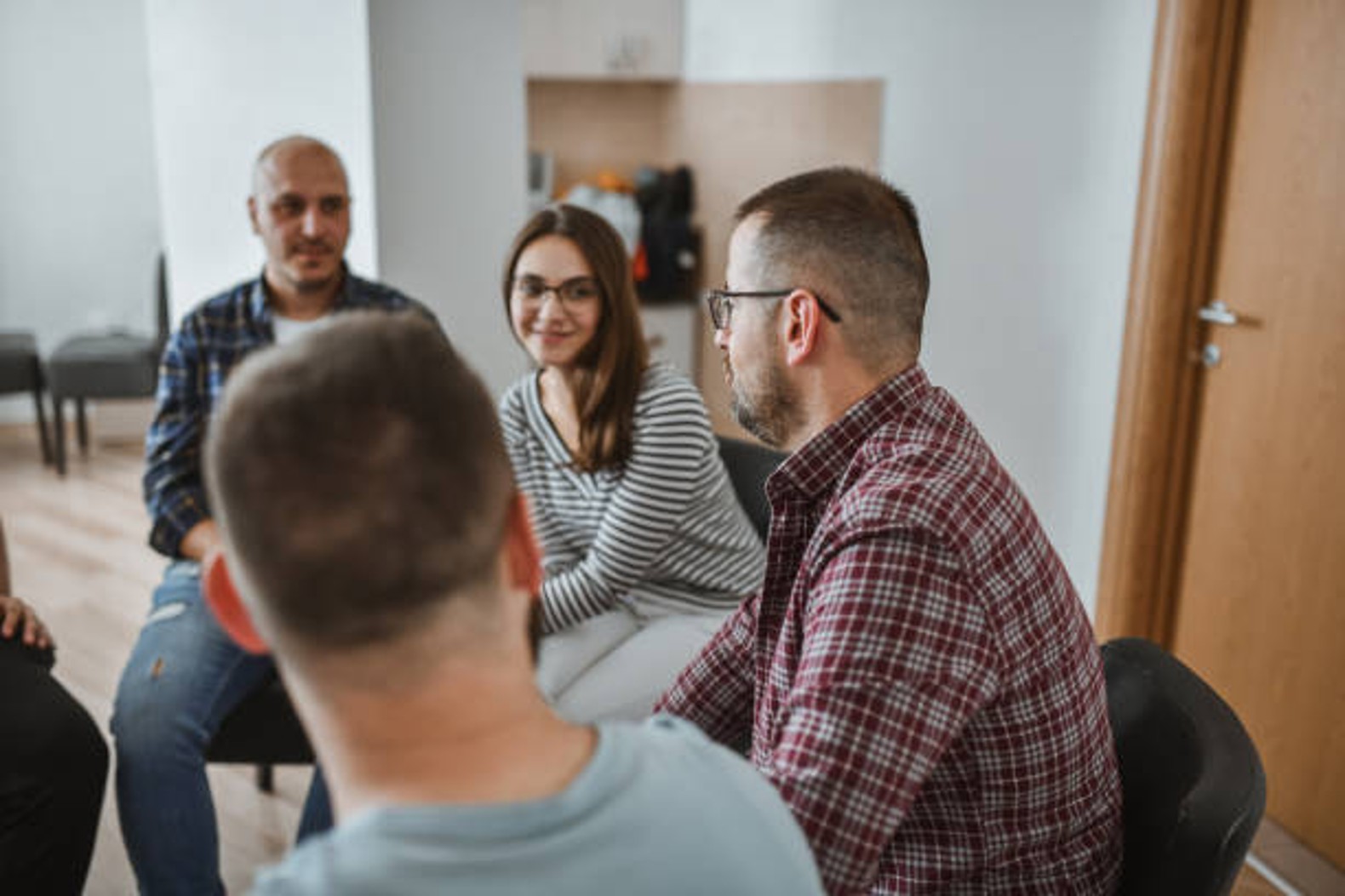
Group therapy brings together people who are working to recover from alcohol or drug addiction. A trained counselor leads each session and guides the discussion. Everyone has the chance to speak, listen, and learn in a safe and respectful space.
Each person has a different story, but everyone shares the same goal of building a healthier life. Listening to others can bring hope and remind people they are not alone. Simple conversations can make a big difference during recovery.
Every meeting has a purpose. Some sessions teach better ways to handle stress. Others focus on emotions, healthy choices, or building stronger relationships. Every lesson supports long-term recovery.
Finding Strength Through Support
Recovery can be hard. Some days bring stress, fear, or sadness. Group therapy gives people a place where they can talk about these feelings without being judged.
Support from others brings comfort. Members celebrate each success together, no matter how small. They also encourage each other after difficult days. Kind words from someone with a similar experience can give new hope.
As people attend more sessions, trust begins to grow. They become more comfortable sharing their thoughts and asking for help. Strong support makes recovery less lonely.
Learning Healthy Skills for Everyday Life
Recovery is not only about stopping drug or alcohol use. It is also about learning better ways to live each day. Group therapy teaches simple skills people can use at home, at work, and with family.
Some helpful skills include:
- Managing cravings in healthy ways.
- Staying calm during stressful situations.
- Talking openly with family and friends.
- Solving problems without using drugs or alcohol.
- Setting small goals and reaching them.
- Supporting others while accepting support.
These skills become stronger with practice. Small changes each day can lead to a healthier future.
Building Better Ways to Prevent Relapse
Relapse does not happen all at once. Small problems can grow if they are ignored. Group therapy teaches people how to notice warning signs early before they become bigger challenges.
People learn what may trigger cravings, such as stress, unhealthy friendships, or difficult emotions. They also learn healthy ways to deal with these situations before making poor choices.
Group members share ideas that have worked for them. Real-life advice from others can be easy to understand and simple to use in everyday life.
Growing Through Honest Communication
Addiction can hurt relationships with family and friends. Recovery includes learning how to speak honestly and listen with respect. Group therapy gives people a safe place to practice these skills.
People build better communication by learning how to:
- Speak honestly without blaming others.
- Listen carefully before responding.
- Share feelings in a calm way.
- Respect different opinions.
- Set healthy personal boundaries.
- Say no to unhealthy situations.
These simple skills help rebuild trust with loved ones. They also make everyday conversations easier and support long-term recovery. Regular practice gives people more confidence to handle relationships in a healthy way.
Working Together With Professional Care
Group therapy is one part of a complete recovery plan. It works best when combined with other treatment services that support healing from different sides. Each service adds something important to the recovery process.
People receiving substance abuse counseling can use group sessions to practice skills learned in one-on-one meetings. This helps turn lessons into real-life actions and builds stronger recovery habits over time.
A full treatment plan may include:
- Individual counseling for personal support and guidance.
- Group therapy for shared learning and encouragement.
- Family counseling to rebuild trust and communication.
- Medical care for physical and mental health support.
- Education programs to understand addiction better.
- Healthy lifestyle changes like routine, sleep, and exercise.
Each part works together to support steady progress. When combined, these services help people stay focused, build strength, and maintain long-term recovery.
Staying Connected During Recovery
Recovery does not end after treatment. Ongoing support helps people continue making healthy choices. Staying connected with positive people makes it easier to stay focused.
In places like Florida, a Group Therapy Program in Florida allows people to build friendships with others living nearby. These local connections can continue after treatment through support groups and recovery activities.
Strong community support reminds people they are never alone. Knowing someone cares can make difficult days easier to manage.
Taking One Step at a Time
Recovery is a journey made up of small steps. Every group meeting gives people another chance to learn, grow, and move forward. No one needs to have all the answers right away.
Progress comes from showing up, being honest, and practicing healthy habits every day. Combined with substance abuse counseling, group therapy gives people the support needed to build a better future.
Final Thoughts
Healing becomes stronger with support, hope, and steady encouragement. Group therapy gives people a place to learn new skills, share honest conversations, and build confidence for the future. Every small step brings new progress. For people looking for lasting recovery in Florida, a Group Therapy Program in Florida can provide the guidance and support needed to reduce relapse and create a healthier life.
Begin Your Recovery with Love Ministries
Every recovery journey starts with one step. Love Ministries provides caring addiction treatment, professional guidance, and supportive group therapy for people ready to build a healthier future. Contact Love Ministries today to learn more about available treatment programs and start the path toward lasting recovery.
Frequently Asked Questions
1. What happens during a group therapy session?
A group therapy session is led by a trained counselor. Members share personal experiences, learn healthy coping skills, discuss recovery challenges, and encourage one another. Every meeting provides a safe place to build confidence, improve communication, and support long-term recovery.
2. Can group therapy help stop relapse?
Yes. Group therapy teaches people how to identify triggers, manage stress, handle cravings, and make healthier choices. Regular support from counselors and group members helps people stay motivated and better prepared to prevent relapse during everyday life.
3. Is group therapy good for everyone in recovery?
Group therapy benefits many people recovering from addiction, but treatment should match each person’s needs. A counselor can decide if group sessions, individual counseling, or a combination of both will provide the best support for recovery.
4. How long does group therapy last?
The length of group therapy depends on personal recovery goals and treatment progress. Some people attend for several weeks, while others continue for months. A counselor recommends the right schedule based on individual needs and ongoing recovery.
5. Why is group support important during addiction recovery?
Group support gives people encouragement, understanding, and hope throughout recovery. Talking with others facing similar challenges reduces loneliness, builds confidence, and provides practical advice. Strong support also makes it easier to stay committed to healthy habits and lasting recovery.